
Master your outfit inspiration process with ease in 2026

Master your outfit inspiration process with ease in 2026
Staring at a full closet yet feeling like you have nothing to wear is a frustration 73% of women experience weekly. The struggle to create fresh, stylish outfits from existing clothes drains time and creativity every morning.
This guide provides a structured, actionable process to transform your wardrobe into an endless source of outfit inspiration. You'll learn to curate, combine, and maintain a styling routine that enhances convenience while celebrating your personal style.
By following these proven steps, you'll unlock the full potential of your closet and make getting dressed an enjoyable, effortless experience.
Key takeaways
Point | Details |
|---|---|
Edit your wardrobe first | Removing outdated or ill-fitting items creates mental clarity and reveals hidden outfit possibilities. |
Organize strategically | Group clothes by category and color to instantly spot pairing opportunities and boost creativity. |
Apply styling principles | Use contrast and balance techniques to transform basic pieces into dynamic, interesting outfits. |
Leverage technology | AI-powered apps digitize your wardrobe and suggest personalized combinations that save time. |
Maintain regularly | Seasonal reviews and tracking worn outfits ensure your system stays fresh and functional. |
Step 1: Prepare your wardrobe by editing and organizing
Your outfit inspiration journey starts with a critical foundation: curating what you actually own. Clearing out old and outdated clothes frees mental space and eliminates the visual clutter that makes styling feel overwhelming.
When you remove pieces that no longer fit your body or lifestyle, you create room for genuine creativity. The goal isn't to own less for minimalism's sake but to keep only items that work together seamlessly.
Start by identifying what stylists call red flag items — clothes you repeatedly pull out, try on, then reject because they don't fit right or match your current aesthetic. Remove anything you haven't worn in 12 months, items with stains or damage beyond repair, and pieces bought for a version of yourself that no longer exists.
Once you've edited ruthlessly, organize what remains by category and color. Group all tops together, then arrange them from light to dark shades. Do the same with bottoms, dresses, and outerwear. This visual system makes it instantly obvious which pieces can pair together.
Wardrobe Status | Average Outfit Combinations | Styling Time | Satisfaction Rate |
|---|---|---|---|
Before Editing | 12 combinations | 18 minutes | 42% |
After Editing | 31 combinations | 8 minutes | 78% |
Improvement | +158% options | -56% time | +86% satisfaction |
Pro Tip: Photograph your edited wardrobe sections on your phone to create a digital reference. This visual inventory helps you spot missing essentials when shopping and reminds you of forgotten pieces hiding in the back of your closet.
The editing process might feel difficult initially, especially if you're attached to certain items. Remember that quality trumps quantity in outfit creation. Twenty versatile pieces that mix well generate far more outfits than fifty random items that clash.
Maintaining this organized system requires minimal effort once established. Return items to their designated spots after wearing and washing. When you bring home new pieces, immediately remove something old to prevent accumulation.
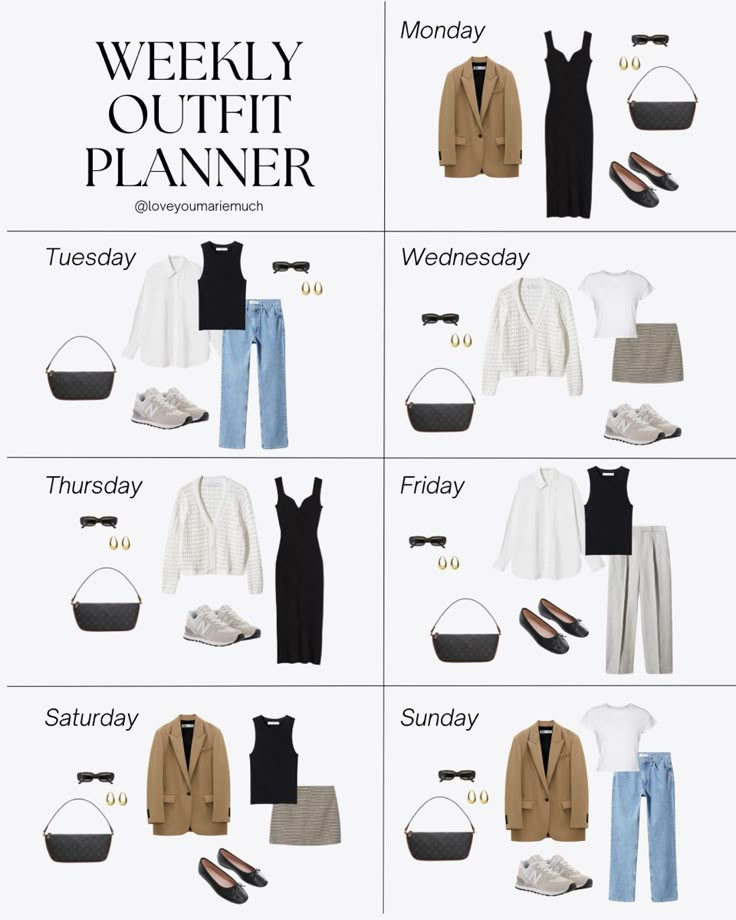
Step 2: Create outfits using styling principles and mix-and-match techniques
With your curated wardrobe ready, it's time to master the art of combining pieces into cohesive, interesting outfits. The secret lies in understanding basic styling principles that professional stylists use daily.
The most powerful technique is what experts call the opposite action method — pairing contrasting elements creates visual interest and prevents outfits from feeling flat or one-dimensional. If you're wearing a structured blazer, balance it with relaxed jeans instead of formal trousers. A feminine floral dress gains edge when paired with a leather jacket and boots.
This contrast principle applies to textures, silhouettes, and formality levels. Mix smooth fabrics with textured ones, fitted pieces with loose ones, casual items with dressier elements. The interplay creates dimension that makes even simple outfits look thoughtfully styled.
Step-by-step outfit building process:
✅️ Evaluate the occasion and required formality level before opening your closet.
✅️ Select one statement piece as your outfit anchor — whether a bold top, patterned skirt, or standout shoes.
✅️ Choose supporting pieces in complementary or neutral colors that don't compete with your anchor.
✅️ Apply the contrast principle by mixing different textures, silhouettes, or style vibes.
✅️ Add a third layer like a cardigan, jacket, or vest to create visual depth.
✅️ Finish with accessories that tie the look together, such as a belt, scarf, or statement jewelry.
✅️Step back and assess the overall balance, adjusting if one element overwhelms the others.
Pro Tip: Mix one vintage or thrifted piece with modern items to keep your outfits feeling current and unique. A vintage blazer with contemporary jeans and sneakers looks fresh, not dated.
Consider practical life factors when styling outfits. Weather dictates fabric weight and layering needs. Your daily activities determine appropriate formality and comfort levels.
Budget awareness helps you maximize existing pieces rather than constantly shopping for new ones.
Experimentation is crucial for discovering what works for your body and personal aesthetic. Try combinations that feel slightly outside your comfort zone. Photograph outfits you love so you can recreate them effortlessly.
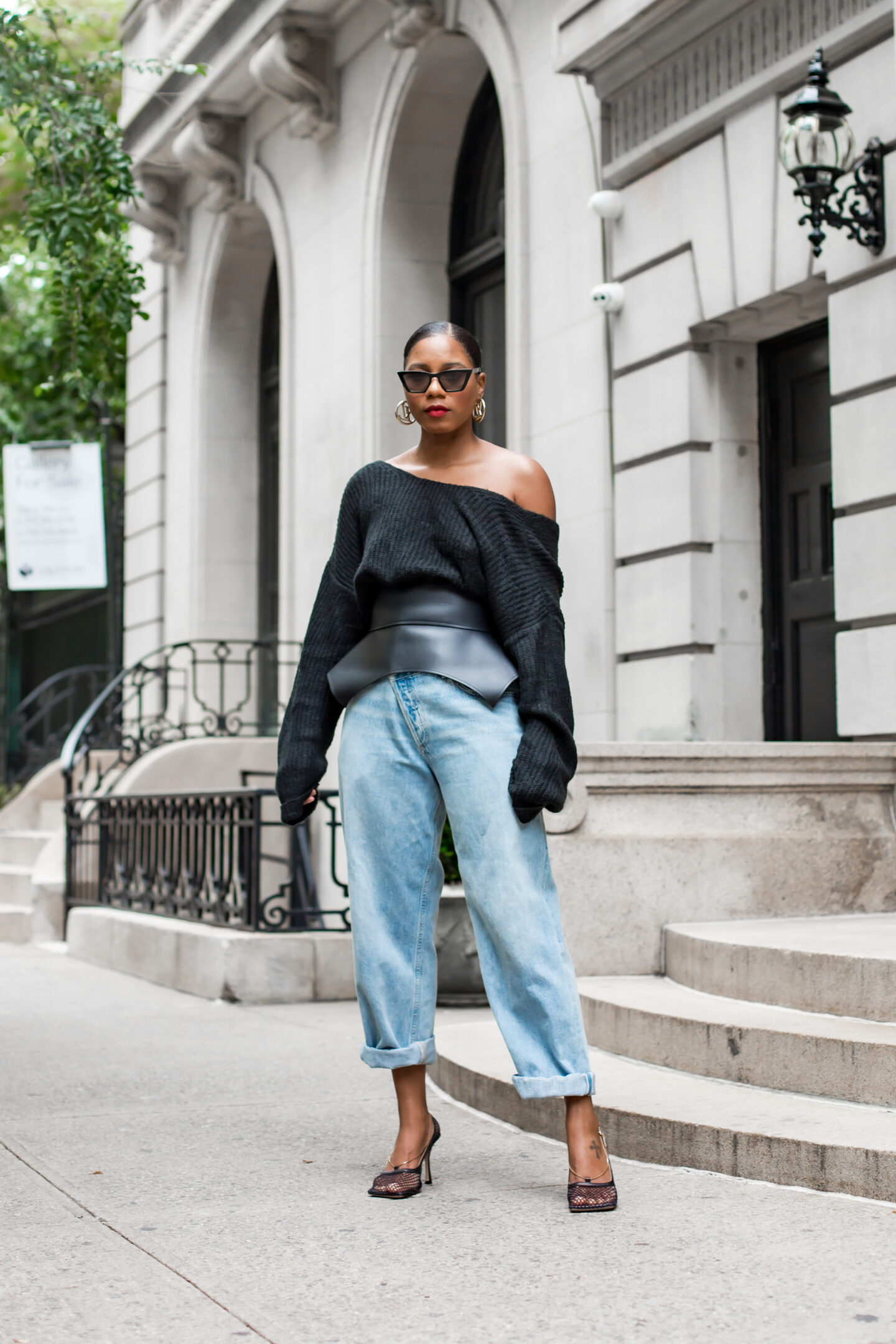
Step 3: Use technology to streamline your outfit inspiration process
Technology transforms outfit inspiration from a daily struggle into an effortless, enjoyable process. AI systems increase wardrobe utilization by up to 30%, helping you discover combinations you'd never consider manually.
Digital wardrobe apps photograph and catalog your clothing, creating a searchable inventory that eliminates the frustration of forgetting what you own. This virtual closet becomes your styling foundation.
Convenience drives outfit inspiration preferences for modern women. The best AI styling tools analyze your uploaded garments and generate complete outfit suggestions within seconds. Rather than spending 20 minutes mixing and matching in front of your mirror, you receive multiple polished options tailored to your occasion and preferences.
Technology tools for outfit inspiration:
Tool Type | Primary Benefit | Best For |
|---|---|---|
AI outfit generators | Creates complete looks from single items | Daily outfit planning and new combinations |
Digital wardrobe apps | Catalogs and organizes clothing inventory | Tracking what you own and outfit history |
Style boards | Visual inspiration and trend research | Discovering new aesthetics and styling ideas |
Virtual try-on | Tests outfits without physical changing | Online shopping and outfit experimentation |
The most effective AI platforms learn your preferences over time, refining suggestions based on which outfits you save, wear, and rate positively. This adaptive learning creates a truly personalized styling experience that improves with every interaction.
Style-Solver exemplifies this approach by generating three complete outfit ideas from a single uploaded clothing item. Upload your white blazer, and within seconds you receive casual, office, and evening looks that work with your existing wardrobe.
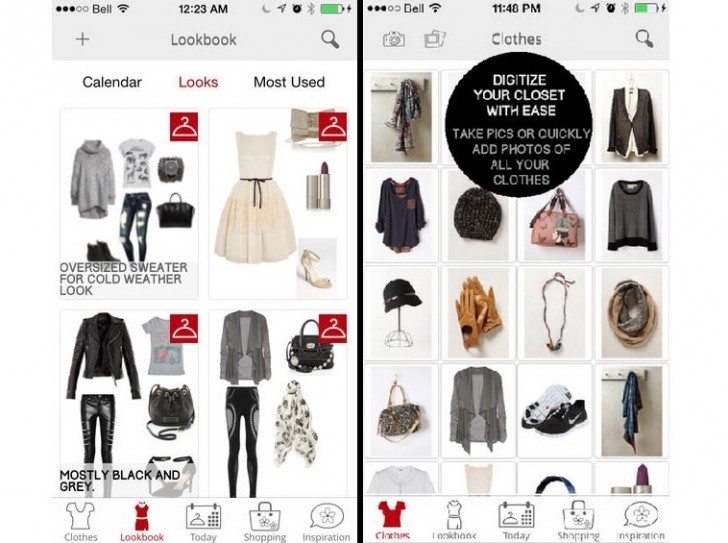
Step 4: Review, refine and maintain your outfit inspiration routine
Sustaining your outfit inspiration system requires regular maintenance and honest evaluation. Every three to four months, reassess what you're actually wearing versus what's collecting dust.
Track your outfit history to identify patterns and preferences. Note which combinations receive compliments, which feel most comfortable, and which occasions leave you struggling to find the right look. This data reveals gaps in your wardrobe and highlights your most versatile pieces.
Seasonal wardrobe review checklist:
✔️ Assess each item for fit, condition, and relevance to your current lifestyle.
✔️ Identify your top 10 most-worn pieces and understand why they work so well.
✔️Note three outfit combinations you want to create but currently lack pieces for.
✔️ Remove anything that hasn't been worn in the past season without a specific future occasion in mind.
✔️ Update your digital wardrobe catalog to reflect additions and removals.
✔️ Set styling goals for the upcoming season based on your calendar and lifestyle needs.
Refinement is an ongoing process, not a one-time event. Your style evolves as your life changes — new job, new city, new social circle.
Allow your wardrobe and styling approach to evolve with you. What worked perfectly two years ago may no longer serve your current identity or practical needs.
Discover effortless style with Style-Solver
Style-Solver's AI technology makes outfit inspiration effortless by generating three complete, occasion-specific looks from a single uploaded clothing item. Whether you're styling a classic blazer, a versatile dress, or a statement top, our AI creates casual, office, and evening outfits that work with your existing wardrobe.
Stop staring at a full closet wondering what to wear. Upload your first item free and experience how AI transforms your relationship with your wardrobe. Join thousands of women who've discovered that getting dressed can be quick, creative, and genuinely enjoyable.
➡️ Ready to unlock your wardrobe's full potential?
Try Style-Solver free today and see three complete outfit ideas in seconds.
Frequently asked questions
How can I start the outfit inspiration process today?
Begin by spending 30 minutes editing your wardrobe — remove anything that doesn't fit, is damaged, or hasn't been worn in 12 months. Then organize remaining pieces by category and color. This foundation immediately reveals new outfit combinations and makes the styling process more intuitive.
What styling techniques create the most interesting outfits?
The contrast principle consistently creates the most visually interesting outfits. Pair structured pieces with relaxed ones, smooth fabrics with textured ones, and casual items with dressier elements. This deliberate opposition creates dimension and prevents outfits from looking flat or uninspired.
Should I use technology for outfit planning?
Yes, especially AI-powered tools that generate complete outfit suggestions from your existing wardrobe. These platforms save significant time, reveal combinations you'd never consider manually, and improve with use as they learn your preferences.
How often should I review my wardrobe system?
Conduct a thorough review every season (four times per year) and a quick monthly check-in. Seasonal reviews assess fit, condition, and relevance, while monthly check-ins track what you're actually wearing and identify pieces that need new styling approaches.
What if I still feel uninspired after organizing?
If organization alone doesn't spark inspiration, try AI styling tools that generate outfit combinations from your existing pieces. Style-Solver can generate three complete looks from a single item, often revealing surprising and wearable combinations you've overlooked.